Funny Land Surveyor: A Designer’s Embroidery Review
As an embroidery designer who has spent years digitizing files and testing them on everything from stiff denim to delicate baby knits, I approach every new Graphics asset with a critical eye. We are not just looking for something that looks good on a screen; we need designs that translate well into thread, hold up under the needle, and resonate with the end customer. Today, I am evaluating the Funny Land Surveyor design, a piece categorized under Print Templates but ripe for adaptation into machine embroidery projects.
First Impressions and Visual Personality
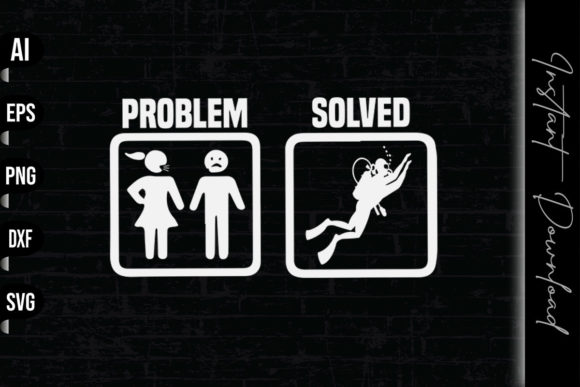
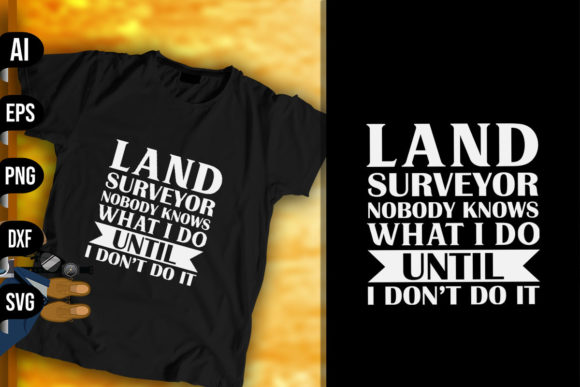
The first thing that strikes you about the Funny Land Surveyor motif is its playful tone. Land surveying is often viewed as a technical, rigid profession, so injecting humor into the visual identity creates an immediate connection with the target audience. The layout appears balanced, with clear shapes that suggest it will stitch out cleanly without excessive jump stitches or complex color changes that can slow down production time.
For those of us in the craft business, mood matters. This design feels lighthearted yet professional enough for a boutique product. It does not rely on overly intricate details that might get lost in the stitching process, which is a common pitfall with many digital assets marketed as "print-ready." Instead, it offers bold lines and recognizable imagery, making it a strong candidate for a variety of embroidery project types.
Real-World Application: The Custom Tote Bag Scenario
To truly understand the value of this design, let us walk through a real-life scenario. Imagine a client approaches your small shop for a set of personalized gifts for a retiring land surveyor. They want something durable, practical, and humorous. You decide to use the Funny Land Surveyor graphic on a heavy-canvas tote bag.
In this context, the design shines. Canvas provides a stable base for embroidery, allowing the fill stitch areas to lay flat without puckering. The humor in the design acts as a conversation starter, increasing the perceived value of the handmade product. Customers are not just buying a bag; they are buying a personalized gesture that shows thoughtfulness. When I visualize this on a tote, the contrast between the rugged utility of the bag and the whimsical nature of the graphic creates a compelling aesthetic that appeals to both the recipient and onlookers.
Versatility Across Products and Fabrics
One of the strongest attributes of this asset is its versatility. While it is listed among Print Templates, its structure lends itself well to conversion into a machine embroidery design. Here is how it performs across different mediums:
- Custom Apparel: On a sweatshirt or hoodie, the design adds personality to standard workwear. Ensure you use a cut-away stabilizer to support the weight of the stitches on knit fabrics.
- Caps and Hats: Curved surfaces are tricky. If adapting this for a cap, simplify any tiny text elements. The main graphic should remain bold to avoid distortion on the curved front panel.
- Embroidered Patches: This design would make an excellent iron-on or sew-on patch. Use a satin stitch border to frame the design, giving it a finished, professional look suitable for uniforms or casual jackets.
- Baby Embroidery: For softer items like onesies, reduce the stitch density significantly. The humor might appeal to parents in the profession, but comfort is paramount for infant wear.
Whether you are creating holiday embroidery gifts or stocking your Etsy seller shop with year-round items, the theme remains relevant. It is not seasonal, which means it has a longer shelf life in your inventory compared to holiday-specific motifs.
Technical Considerations for Stitching Success
While the visual appeal is strong, practical execution requires attention to detail. Since the original description notes it is a "Print Ready Design," it may not come with native embroidery file formats like PES or DST. As a designer, you must verify the source files. If you are digitizing this yourself or hiring someone to do so, keep these technical notes in mind:
- Stitch Density: Avoid over-packing the fill areas. High density can cause fabric pull and needle breaks, especially on thinner materials like t-shirts.
- Thread Colors: Test the design in black and white mockups first. If the design relies solely on color contrast to define shapes, it may fail when stitched in monochrome or on dark fabrics. Ensure there is sufficient tonal variation.
- Small Details: Inspect any fine lines or small lettering. In embroidery, anything smaller than 3mm can become illegible. You may need to thicken lines or remove tiny elements to maintain clarity.
- Stabilizer Choice: Always test on scrap fabric first. For stretchy fabrics, use a tear-away or cut-away stabilizer depending on the garment's intended use. For woven fabrics like twill or canvas, a light tear-away may suffice.
Commercial Viability and Brand Consistency
For commercial embroidery professionals and small shop product creators, consistency is key. The Funny Land Surveyor design helps build a brand identity that is approachable and skilled. It signals to buyers that you understand their niche interests. This builds trust and encourages repeat business.
However, before listing this as a digital embroidery file or selling finished items, you must confirm the licensing terms. The description mentions it can be used for t-shirts, mugs, and decals, but commercial rights for embroidered goods can vary. Always read the license agreement provided by the creator. If the terms are unclear, reach out to the seller directly. Protecting your business from copyright issues is just as important as producing high-quality stitches.
Final Verdict for Makers and Designers
The Funny Land Surveyor is a solid addition to your library of design assets. It bridges the gap between professional pride and personal humor, making it ideal for personalized gift markets. While it originates as a graphic for print, its clean lines and clear composition make it a promising candidate for embroidery adaptation.
Remember, the success of the final product depends on your execution. Take the time to hoop correctly, choose the right thread colors, and respect the limitations of your machine. When done right, this design will not only look great but also bring a smile to the face of anyone who wears or uses it. For craft business owners looking to expand their niche offerings, this is a worthwhile investment of time and creativity.