Review: Funny Animals in Locomotive Illustration for Stitchers
As a designer who has spent years translating digital art into thread, I have learned that not every cute graphic translates well to fabric. When I first opened the files for Funny Animals in Locomotive Illustration, my immediate reaction was one of cautious optimism. The concept is undeniably charming—whimsical creatures piloting a steam engine—but charm alone does not make a viable embroidery project. I needed to know if the lines were clean, if the details would hold up under the needle, and if this asset could genuinely elevate a handmade product or if it would just add unnecessary bulk to a garment.
This review comes from the perspective of someone who has stitched hundreds of custom orders, from delicate baby onesies to heavy-duty workwear aprons. I am evaluating Funny Animals in Locomotive Illustration not just as a piece of digital art, but as a practical tool for your craft business, Etsy shop, or personal creative portfolio.
First Impressions and Visual Personality
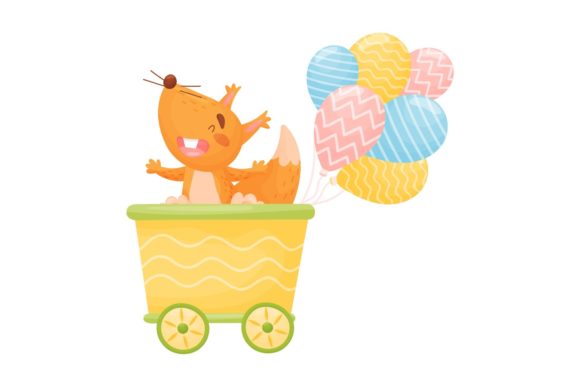
The mood of this design is playful and nostalgic. It captures a sense of adventure that appeals to both children and adults who appreciate whimsical art. The layout features animals interacting with the mechanical elements of a locomotive, which creates a natural focal point. For an embroidery designer, the most critical aspect here is the balance between open space and detailed areas. The illustration avoids excessive clutter, which is a good sign. However, the transition from digital pixels to physical stitches requires careful consideration of scale.
The provided canvas size of 1920 px by 1280 px offers high resolution, which is excellent for creating printable mockups or marketing materials for your small shop product listings. Having access to AI, SVG, EPS, and DXF files means you have vector scalability. This is crucial if you need to resize the graphic for different applications without losing edge clarity. The transparent PNG and JPG formats are handy for quick previews or sublimation projects, but for actual stitching, we must look deeper.
Real-World Application: The Custom Tote Bag Test
To test the viability of this design, I imagined a common scenario for many craft entrepreneurs: a custom embroidered tote bag. Tote bags are popular gifts and boutique items, but they present specific challenges due to the woven texture of canvas or cotton duck fabric. Placing Funny Animals in Locomotive Illustration on a tote requires a medium to large hoop size to capture the full width of the train and its passengers.
In this context, the design performs well as a central chest or back panel element. The horizontal orientation of the locomotive fits naturally across the body of a sweatshirt or the front of a tote. If you are using this for custom apparel, such as a family reunion shirt or a holiday gift, the narrative quality of the image encourages engagement. Customers love designs that tell a story, and this piece invites viewers to look closer at each animal’s expression and role in the train crew.
Stitching Considerations and Technical Challenges
While the visual appeal is strong, we must address the technical realities of converting this illustration into a machine embroidery design. Since the product description lists graphic file formats (AI, SVG, etc.) rather than native embroidery formats like PES or DST, you will likely need to digitize this yourself or hire a digitizer. This is a critical distinction for any embroidery project.
When digitizing or preparing this file, pay close attention to stitch density. The locomotive has mechanical details—wheels, pipes, and windows—that can become dense areas if not handled correctly. High stitch density on stretchy fabric or thin material can cause puckering. I recommend using a cut-away stabilizer for garments that will be washed frequently, such as t-shirts or baby clothes, to maintain the integrity of the finished product. For stable fabrics like denim or canvas used in patches or aprons, a tear-away stabilizer might suffice, but always test on scrap fabric first.
Small details are another area of concern. The faces of the funny animals must remain distinct. If you scale the design down too much for a small hoop size, such as a 4x4 inch hoop for a pocket patch, the facial features may merge into a blob of thread. I advise keeping the design at a minimum width of five to six inches to preserve the clarity of the characters. Use satin stitch for outlines and borders to define shapes, but rely on fill stitch for larger areas like the train body to keep the stitch count manageable and the fabric flexible.
Fabric and Color Strategy
Thread color contrast is vital for this design. Because the illustration involves multiple elements, choosing the right palette can make or break the visual impact. On dark fabric, such as navy or black sweatshirts, you will need bright, contrasting thread colors to ensure the animals pop. Conversely, on light-colored baby embroidery items, softer pastels can create a gentle, nursery-appropriate aesthetic. Always check how your design looks in black and white mockups before stitching; if the values blend together, adjust your thread choices to increase separation between the foreground animals and the background train elements.
Textured fabrics pose another challenge. If you are stitching on a fluffy towel or a ribbed knit, the fine details of the locomotive wheels might get lost. In such cases, consider simplifying the design or using applique techniques. An applique design approach allows you to use fabric pieces for the main body of the train, reducing stitch count and adding tactile interest, while using embroidery only for the animal details and outlines. This method is particularly effective for commercial embroidery projects where production time and thread costs are factors.
Commercial Viability and Brand Consistency
For Etsy sellers and small business owners, Funny Animals in Locomotive Illustration offers versatility. It fits seamlessly into categories like holiday embroidery for winter-themed gifts, travel-themed nursery decor, or unique personalized products for train enthusiasts. The professional presentation of the source files suggests a level of quality that can enhance brand consistency. When customers see crisp, well-executed embroidery, their trust in your handmade product increases.
However, before listing this as a digital embroidery file or selling finished items, you must confirm the licensing terms. The product description mentions various graphic formats but does not explicitly state commercial usage rights for embroidery. Always verify whether the license allows for mass production or if it is limited to personal use. Protecting your craft business from legal issues is just as important as the quality of your stitching.
Final Verdict for Makers
Funny Animals in Locomotive Illustration is a promising asset for designers who understand the nuances of digitizing and stitching. It is not a plug-and-play solution for beginners without digitizing skills, but for those willing to put in the technical work, it offers high reward. The design’s personality shines through when executed with proper stabilizer, appropriate thread colors, and correct scaling. Whether you are creating a custom embroidered patch for a cap or a statement piece for a boutique pillow cover, this illustration has the potential to delight customers and elevate your portfolio. Just remember to respect the limitations of the medium, test thoroughly, and let the whimsy of the animals guide your creative choices.