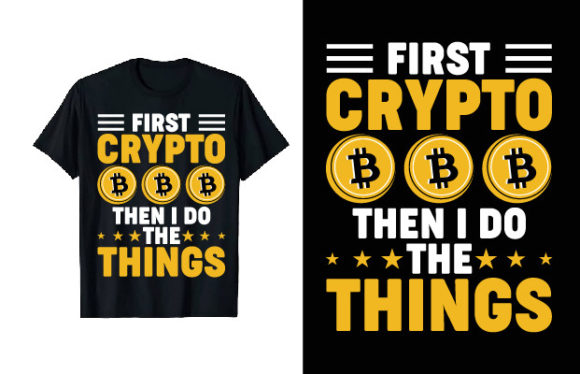
Reviewing the Funny NFT Crypto Bitcoin Design
As a designer who has spent years digitizing artwork and testing files on various embroidery machines, I approach every new machine embroidery design with a mix of curiosity and skepticism. We have all been there: downloading a file that looks fantastic on a screen but turns into a tangled mess of thread breaks and puckering once it hits the fabric. Recently, I took a closer look at the Funny NFT Crypto Bitcoin T-Shirt Design to see if it holds up under the needle. This isn’t just about aesthetics; it is about whether this asset works for real-world embroidery projects, from custom client orders to small batch runs for an online shop.
First Impressions and Visual Personality
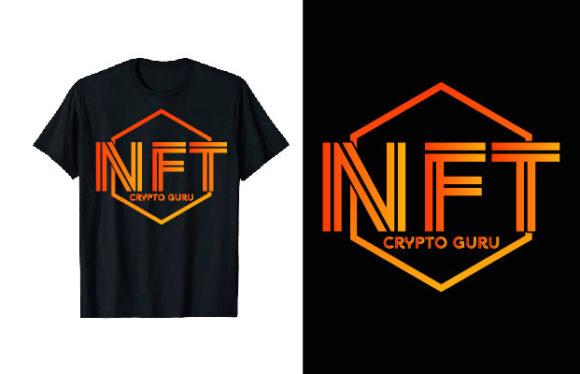
The first thing that strikes you about this piece is its bold, graphic nature. It taps directly into the current cultural zeitgeist surrounding cryptocurrency and digital art, making it instantly recognizable to a specific audience. The mood is playful yet modern, which is a difficult balance to strike in T-Shirt Designs. Often, tech-themed graphics can feel cold or overly complex, but this design maintains a sense of humor that translates well into a tactile medium.
From a layout perspective, the shapes are distinct and well-defined. For an embroidery designer, this is crucial. Complex gradients and tiny details often get lost in translation when converted to stitches. However, because this design is built from vector shapes, the lines are clean. This suggests that the transition from digital Graphics to physical thread should be smooth, provided the digitizer has respected the limitations of the medium. The visual personality is loud without being chaotic, making it a strong candidate for statement pieces.
Real-World Application: The Custom Sweatshirt Test
To truly evaluate a design, you have to imagine it on a actual product. I visualized this design applied to a heavyweight, charcoal-grey sweatshirt. This is a popular item for craft business owners and Etsy sellers looking to create high-margin custom apparel. The dark background of the garment contrasts sharply with the bright, often neon-associated colors of crypto culture, allowing the design to pop.
In this scenario, the design serves as the focal point. It is not a subtle accent; it is the main event. For a personalized gift aimed at a tech enthusiast or a trader, this kind of specificity adds significant perceived value. It moves the item from a generic hoodie to a niche, conversation-starting piece. I also considered its use on a canvas tote bag design. Here, the durability of the stitch becomes more important. A tote bag undergoes significant stress, so the design needs to be robust enough to withstand stretching and weight without distorting.
Technical Considerations for Embroiderers
One of the most appealing aspects mentioned in the product details is the flexibility of the source files. The inclusion of Ai and Eps files means that the design is made with 100 vector shapes. For those of us who do our own digitizing or work closely with digitizers, this is a goldmine. It means the design is resizeable without losing quality, and the colors are 100% changeable. This allows for easy adaptation for dark t-shirts or light fabrics, ensuring that the thread colors always provide sufficient contrast.
However, we must discuss stitch density and technique. While the vector shapes are clean, converting them to an embroidery file requires careful planning. Large solid areas might need a fill stitch, while outlines could benefit from a satin stitch or running stitch depending on the width. If you are using this as a base for an applique design, the vector paths make it incredibly easy to cut fabric accurately. But if you are stitching it directly, you must watch out for dense areas that could cause puckering, especially on thinner materials.
I strongly advise checking the specific stitch count and recommended hoop size before starting. These details are not explicitly provided in the basic description, so you must verify them in the actual file package. Using the wrong stabilizer on a design with high stitch density can lead to disaster. For a project like this, a cut-away stabilizer is likely necessary to support the weight of the threads, particularly if you are working on stretchy fabrics like jersey knits.
Navigating Fabric and Hoop Constraints
Not every surface is suitable for this type of graphic. While it would look excellent on a structured cap or a sturdy apron, I would hesitate to use it on delicate fabrics. The bold lines require a certain level of stability. On a curved surface like a baseball cap, the design needs to be centered perfectly to avoid distortion. Similarly, if you are aiming for a small embroidered patch, you must ensure that the smallest details do not become too small to stitch cleanly. Tiny lettering or intricate corners can easily turn into blobs of thread if the resolution is not adjusted for the smaller scale.
For baby embroidery or items that require frequent washing, durability is key. The design should be tested on scrap fabric first. Check how the threads hold up after multiple wash cycles. Does the fabric pucker around the edges? Do the colors bleed? These are practical questions that determine whether a design is suitable for commercial sale or just a one-off hobby project.
Commercial Value and Brand Consistency
For small shop product creators, the versatility of this design is a major selling point. It fits neatly into categories like holiday embroidery gifts for tech-savvy relatives or as part of a broader collection of modern, ironic design assets. The ability to change colors easily means you can create variations for different seasons or brand palettes without redesigning the entire graphic. This efficiency is vital for maintaining a consistent brand identity while keeping your inventory fresh.
When creating printable mockup previews for your online store, the clean vector lines will render beautifully. This helps in building customer trust, as the digital preview will closely match the finished product. Discrepancies between mockups and real items are a common complaint in the handmade community, so starting with a high-quality, scalable source file minimizes this risk.
Final Verdict and Practical Advice
The Funny NFT Crypto Bitcoin T-Shirt Design is a strong contender for modern commercial embroidery projects. Its strength lies in its cultural relevance and technical flexibility. However, success depends entirely on execution. Do not assume that because the vector file is clean, the embroidery file will be perfect without testing.
- Test on scraps: Always run a test stitch-out on the same fabric type you plan to use for the final product.
- Check contrast: Ensure your thread choices stand out against the fabric, especially for dark garments.
- Verify licensing: Before selling finished items or digital products, confirm the license terms included with the Ai or Eps files.
- Adjust density: If you are digitizing it yourself, adjust the stitch density for the specific fabric weight to prevent puckering.
In conclusion, this design offers a practical, engaging option for designers looking to tap into the crypto trend. With careful attention to stabilizer choice, hoop size, and thread selection, it can elevate a simple garment into a standout handmade product. It is a tool that, when used wisely, can drive engagement and sales for the modern maker.