Reviewing the Labrador Retriever T-shirt Design for Stitchers
As a designer who has spent years translating digital concepts into thread, I approach every new machine embroidery design with a mix of curiosity and skepticism. We have all seen those trendy graphics that look fantastic on a screen but turn into a tangled mess under the needle. Recently, I evaluated the Labrador Retriever T-shirt Design, a piece marketed as a vintage, grunge-style graphic for POD businesses and custom apparel. My goal was not just to admire the aesthetic, but to determine if this embroidery file holds up in real-world production for crafters, Etsy sellers, and boutique owners.
First Impressions: Mood and Visual Personality
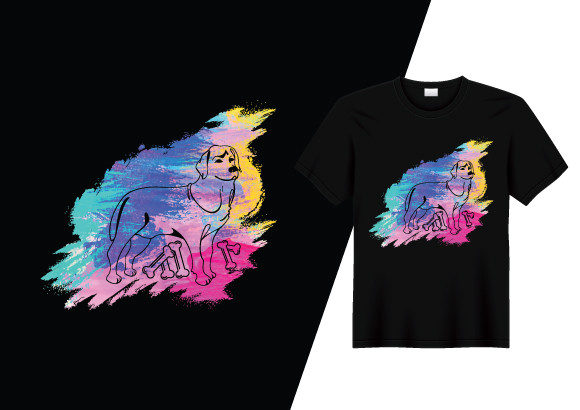
The immediate appeal of the Labrador Retriever T-shirt Design lies in its personality. It captures that specific, lovable clumsiness associated with Labs, wrapped in a typography-heavy, grunge layout. For an embroidery project, this presents both an opportunity and a challenge. The "vintage" and "grunge" descriptors suggest distressed edges and worn textures. In digital Graphics or Print Templates, distress is easy; in embroidery, it requires careful planning. If the design relies too heavily on tiny, scattered details to create that worn look, it can become a nightmare to stitch cleanly. However, if the designer has simplified these elements into bold shapes, it could result in a striking, high-contrast piece that appeals to dog lovers looking for something less polished and more authentic.
The mood is playful yet rugged. It feels at home on casual wear rather than formal attire. This dictates where the design belongs. It is not suited for a delicate silk blouse but thrives on sturdy cottons, denim, and canvas. When I first loaded the preview, I looked for clear separation between the text and the canine illustration. Good embroidery design requires breathing room. If the letters are too close to the dog’s outline, the stitches will merge, losing definition. This design appears to prioritize bold silhouettes, which is a positive sign for stitching clarity.
Real-World Application: From Screen to Stitch
To truly test the viability of the Labrador Retriever T-shirt Design, I imagined a specific scenario: a custom order for a local pet rescue fundraiser. The client wanted branded tote bag design options and matching volunteer shirts. This is a common request for small shop products and craft business items. Here is how the design performs across different mediums.
For sweatshirt embroidery, the grunge aesthetic works beautifully. The texture of a fleece or heavy cotton blend complements the vintage vibe. The design’s likely use of fill stitches for the dog’s body would provide good coverage, hiding the fabric’s nap. However, for a tote bag made of canvas, the stitch density becomes critical. Canvas is tough, but if the design is too dense, it can pucker the fabric or make the bag stiff. I would recommend checking the stitch count and density settings before running a full batch. If the design includes large solid areas, using a lighter fill pattern or even converting parts to an applique design could save time and reduce bulk.
When considering baby embroidery or items for young children, caution is advised. The "grunge" element might involve jagged lines or small, loose threads that are not ideal for sensitive skin or items that undergo frequent washing. For a baby onesie, I would isolate the softer, rounded elements of the Labrador’s face and omit the rougher typography or distressed edges. This adapts the digital embroidery file for a gentler application, ensuring the personalized gift remains durable and safe.
Navigating Technical Challenges
No design is universal, and the Labrador Retriever T-shirt Design has specific constraints. Embroidery designers must be mindful of where this graphic might fail. Small hoop sizes are the first hurdle. If the design is large and intricate, it may not fit into a 4x4 inch hoop without significant resizing, which could render small text illegible. Always confirm the recommended hoop size before purchasing.
Textured fabrics and stretchy materials also pose risks. On a curved surface like a cap, the grunge details might distort. Caps require specialized digitizing to account for the curve and the stiffness of the buckram. If this design was created for flat garments, it will likely need re-digitizing for headwear. Similarly, on thin or stretchy fabrics, a heavy fill stitch can cause pulling. Using a proper stabilizer is non-negotiable here. A cut-away stabilizer would provide the necessary support for long-term wear, especially if the item is a custom apparel piece meant for daily use.
Dark fabrics present another consideration. If the design relies on light thread colors for contrast, ensure the underlying fabric does not show through gaps in the stitching. Testing the design in black and white mockups can help visualize contrast issues. If the design lacks a satin stitch border or underlay, the dark fabric might peek through, ruining the clean look of the Labrador’s outline.
Commercial Value and Brand Consistency
For Etsy sellers and commercial embroidery operators, the Labrador Retriever T-shirt Design offers strong market potential. Dog-themed merchandise is evergreen. The vintage trend continues to resonate with buyers who appreciate nostalgia and character. Using this design in your design assets library can enhance brand consistency if your shop focuses on rustic, outdoorsy, or pet-friendly themes. It adds a layer of professionalism when the stitching is clean and the presentation is thoughtful.
Customer trust is built on quality. A poorly stitched version of this design, with bird’s nests or skipped stitches, will harm your reputation. Conversely, a well-executed embroidered patch or shirt can become a bestseller. The key is managing expectations. Use high-quality thread colors that match the vintage palette—think muted browns, creams, and faded blacks rather than neon brights. This attention to detail elevates the finished product from a simple commodity to a cherished item.
Practical Notes for the Embroiderer
Before you commit to a large run or a client project, follow these practical steps:
- Test on Scrap Fabric: Always stitch a sample on the same material you intend to use for the final product. Check for puckering, thread breaks, and registration issues.
- Check Thread Contrast: Ensure your thread choices provide enough contrast against the fabric, especially for the typography elements.
- Review Stitch Density: If the design feels too stiff after stitching, consider reducing the density in your editing software if the file format allows.
- Inspect Small Details: Zoom in on the digital file. Are there tiny jumps or isolated stitches that might cause trimming headaches? Clean up the path if necessary.
- Confirm Licensing: The product description mentions use for POD business and friends/family. However, always verify the specific license terms. Can you sell finished physical items? Can you resell the digital file? Clarify this before listing on your store.
- Mockup Testing: Create printable mockups to show clients how the design looks on different garment colors. This helps manage expectations and reduces return rates.
In conclusion, the Labrador Retriever T-shirt Design is a promising asset for the right projects. It shines in casual, rugged applications like sweatshirts, tote bags, and patches. It requires careful handling on delicate fabrics or curved surfaces. By understanding its technical needs and leveraging its vintage charm, embroidery professionals can create standout pieces that delight customers and strengthen their brand. Whether you are creating a holiday embroidery gift or stocking your small shop, this design deserves a spot in your rotation, provided you respect the limits of the needle and thread.