Funny Socks Collection: A Designer’s Real-World Review
As a designer who has spent countless hours digitizing and testing embroidery patterns, I approach every new asset with a critical eye. We have all been there: downloading a cute graphic only to realize it turns into a tangled mess of thread on the machine. When I first opened the Funny Socks Collection, my immediate reaction was relief mixed with curiosity. This isn’t just another clipart bundle; it is a set of Illustrations and Graphics that feel purpose-built for the modern craft economy.
The collection arrives in a robust format suite: AI files, SVG files, Transparent PNG, JPG files, and EPS files. Having access to vector formats like AI and EPS is crucial for us because it allows for infinite scaling without losing edge definition. The canvas size of 1920 px by 1280 px provides ample resolution for digital mockups, but the real test is how these shapes translate into thread.
First Impressions: Mood and Visual Personality
The mood of the Funny Socks Collection is playful yet clean. The lines are distinct, which is the single most important factor for embroidery clarity. In my experience, overly complex illustrations with tiny, disconnected details often fail on fabric. These designs, however, strike a balance. They have enough personality to be engaging but maintain a structural simplicity that suggests they will stitch out cleanly.
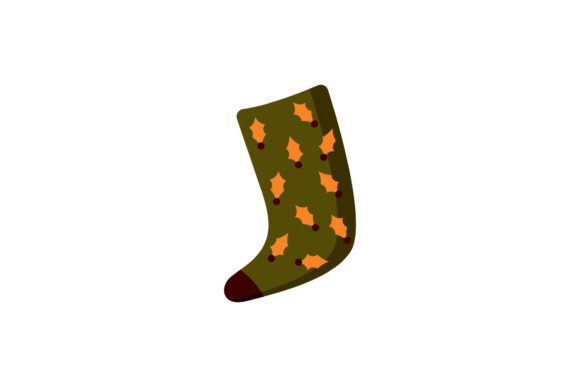
Visually, the socks feature whimsical patterns and expressions that immediately signal "fun." This makes them ideal for projects where you want to evoke joy or nostalgia. Whether you are creating a personalized gift for a friend or stocking your Etsy seller shop with unique items, the visual appeal here is high. The designs do not rely on subtle gradients, which are notoriously difficult to replicate with thread, but rather on bold shapes and clear contrasts.
Real-World Application: From Mockup to Stitch
To truly evaluate this collection, I imagined a specific scenario: preparing a custom order for a local boutique. The client wanted a line of custom apparel featuring quirky, conversation-starting graphics. I selected one of the sock designs from the collection to place on a heavyweight cotton tote bag.
Because the files include Transparent PNGs, creating a printable mockup for the client approval stage was seamless. I could overlay the design on photos of blank totes instantly. Once approved, the transition to the embroidery hoop required some preparation. Since these are vector-based design assets, I imported the SVG into my digitizing software to adjust the stitch types. For the main body of the sock, a fill stitch works best to provide coverage, while the outlines benefit from a crisp satin stitch or a clean running stitch depending on the width.
This collection shines in versatility. It is not limited to bags. I can easily see these designs working as:
- Sweatshirt embroidery: Placed on the chest or sleeve for a subtle pop of humor.
- Baby embroidery: Softened colors on onesies make for adorable nursery decor or gifts.
- Embroidered patch: The clear boundaries make these perfect for cut-and-sew patches.
- Holiday embroidery: Great for stocking stuffers or festive kitchen towels.
Navigating Technical Challenges
While the Funny Socks Collection is user-friendly, no design is immune to the physics of embroidery. There are specific situations where you must proceed with caution. For instance, if you are working with a small hoop size, such as a 4x4 inch hoop for a cap or a baby hat, you must ensure the design is scaled appropriately. Tiny details can get lost or cause thread breaks if the stitch density is too high for the scale.
Textured fabrics also present a challenge. If you are stitching onto a fluffy towel or a thick wool blanket, the fine lines of the sock patterns might sink into the pile. In these cases, using a proper stabilizer is non-negotiable. I recommend a cut-away stabilizer for stretchy fabrics like t-shirts and a tear-away for stable woven fabrics like aprons or pillow covers.
Dark fabrics require special attention to thread colors. Since these are Illustrations meant to be seen clearly, ensure you choose high-contrast thread shades. A dark blue sock on a black shirt will vanish. Always test your color combinations on scrap fabric before committing to the final finished product.
Commercial Value and Brand Consistency
For small shop product owners and craft business entrepreneurs, consistency is key to building trust. The Funny Socks Collection offers a cohesive look that can help define your brand aesthetic. When customers see a well-executed, clean design, it signals professionalism. It tells them that you care about quality, which increases buyer engagement and perceived value.
Using these Graphics in your marketing materials is also a smart move. The high-resolution PNGs allow you to create professional-looking social media posts without needing to stitch every single item for a photo. This saves time and resources, allowing you to focus on production.
Practical Designer Notes
Before you launch into your next embroidery project, keep these practical tips in mind:
- Test on Scrap Fabric: Always run a test stitch-out to check for pull compensation and thread tension issues.
- Check Stitch Density: If you are digitizing from the SVG, ensure the density is appropriate for your fabric weight to prevent puckering.
- Verify Licensing: While the file formats suggest broad usability, always confirm the specific license terms regarding commercial use before selling commercial embroidery items.
- Contrast Check: View your design in black and white to ensure the shapes remain distinct without color reliance.
- Hoop Stability: For curved surfaces like caps, use a magnetic hoop or specialized cap frame to keep the fabric taut.
The Funny Socks Collection is a solid addition to any designer’s library. It bridges the gap between digital art and tactile craft, offering machine embroidery design potential that is both fun and functional. Whether you are a hobbyist making gifts or a professional managing a small business merchandise line, these assets provide a reliable foundation for creative expression. Just remember that the file is only half the battle; your choice of thread, fabric, and technique will ultimately determine the success of your handmade product.