Reviewing Kawaii Plant Funny for Real Embroidery Projects
As a designer who has spent countless hours digitizing patterns and testing them on actual fabric, I have learned that a pretty preview image does not always translate to a successful stitch-out. When I first encountered Kawaii Plant Funny, my immediate reaction was one of cautious optimism. The visual charm is undeniable, but in the world of machine embroidery, charm must be backed by structural integrity. This review breaks down how this specific graphic performs when moved from a digital screen to a tangible, stitched reality.
First Impressions and Visual Personality
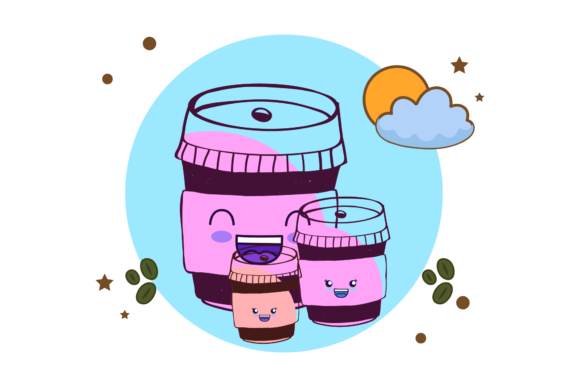
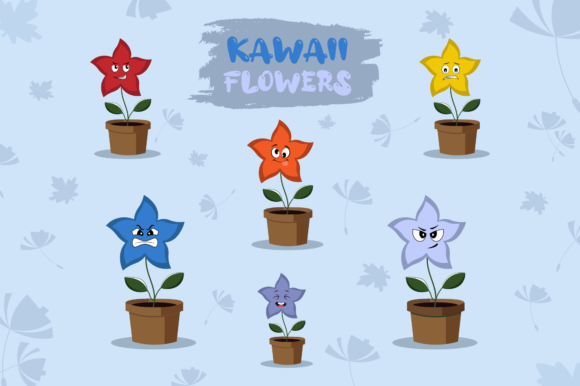
The mood of Kawaii Plant Funny is instantly uplifting. It captures that specific blend of whimsy and simplicity that defines the kawaii aesthetic. For embroidery designers and crafters, this is a double-edged sword. Simple shapes often look clean, but they can appear flat if the stitch types are not chosen carefully. Upon closer inspection of the lines and curves, the design relies heavily on bold outlines and expressive features. This suggests that the design will perform best when utilizing a combination of satin stitches for borders and fill stitches for any larger colored areas. The personality of the piece is playful, making it an ideal candidate for products that aim to evoke joy or nostalgia.
Since this asset falls under the category of Illustrations and Graphics, it is crucial to understand what you are buying. The product description notes that you receive five digital files in formats including AI, EPS, SVG, JPG, and PNG, with a canvas size of 1920px by 1280px. It is vital to note that these are graphic files, not necessarily native machine embroidery files like PES or DST. This means the end-user, whether an Etsy seller or a hobbyist, will need to digitize these graphics into a machine embroidery design using software like Wilcom, Hatch, or Embrilliance. This step is critical because auto-digitizing a complex illustration can lead to poor stitch density and thread breaks.
Real-World Application: The Tote Bag Test
To evaluate the practical viability of Kawaii Plant Funny, I imagined applying it to a custom embroidered tote bag. Tote bags are a staple for small shop products and craft fair merchandise. The fabric texture of a canvas tote is relatively coarse, which can sometimes swallow up fine details. However, the bold nature of this kawaii design works in its favor here. The thick lines and distinct shapes would stand out clearly against the weave of the cotton canvas.
When stitching on a tote, I would recommend using a medium-weight cutaway stabilizer to prevent puckering, especially if the design covers a significant area. The visual appeal of the finished product would rely heavily on thread color contrast. Using vibrant greens for the plant elements against a neutral beige or white bag would create a striking look that appeals to buyers looking for unique, handmade items. This type of application transforms a simple graphic into a high-value personalized gift or boutique branding element.
Apparel and Custom Sweatshirt Embroidery
Moving from accessories to apparel, let us consider Kawaii Plant Funny on a sweatshirt. Sweatshirt embroidery requires careful handling of stitch density. Heavy fill stitches on thick fleece can create a stiff, uncomfortable patch that pulls at the fabric. If I were digitizing this for a crewneck, I would opt for a lighter fill or even incorporate applique design techniques where fabric patches are stitched down, reducing the bulk of thread on the garment. This approach not only improves comfort but also adds a textured, professional finish that customers appreciate in custom apparel.
For baby embroidery, such as on onesies or bibs, the softness of the stitch is paramount. The playful theme of Kawaii Plant Funny fits perfectly in a nursery context. However, baby skin is sensitive. I would advise using soft rayon threads and ensuring that no backing material is left exposed against the skin. A tear-away stabilizer removed carefully after stitching would ensure the item remains soft and safe for daily wear. The design’s cheerful vibe makes it a strong contender for holiday embroidery gifts or baby shower presents.
Challenges with Small Hoops and Curved Surfaces
Not every surface is ideal for this design. If you are considering an embroidered patch or a cap, you must consider the hoop size and curvature. Caps have a curved surface that can distort designs if they are too wide. Kawaii Plant Funny should be scaled appropriately to fit within a standard cap frame without wrapping around the sides. Additionally, small details might get lost if the design is shrunk too much for a small hoop size. Always test the design on scrap fabric first to check for clarity. Tiny lettering or intricate leaf veins might merge together if the stitch density is too high or the resolution is too low after scaling.
Dark fabrics present another challenge. If stitching on a black hoodie or navy tote, the underlying fabric color can show through light-colored threads. To combat this, use an underlay stitch effectively during the digitizing process. This creates a base layer that blocks the fabric color and provides a smooth foundation for the top stitches. Without proper underlay, the vibrant colors of the kawaii plant may look dull or muddy.
Commercial Viability and Brand Consistency
For Etsy sellers and creative entrepreneurs, the commercial potential of Kawaii Plant Funny is significant. The kawaii trend continues to dominate social media and online marketplaces. A well-executed version of this design can enhance brand consistency for shops focusing on cute, eco-friendly, or plant-themed merchandise. It adds a layer of professionalism and recognition to your product line. Buyers are drawn to items that feel personal and handcrafted. A high-quality stitch-out signals attention to detail, which builds customer trust and encourages repeat business.
However, licensing is a key consideration. Since the product includes AI, EPS, and SVG files, it is primarily marketed as a graphic asset. You must confirm the license terms before selling finished items. Some creators allow commercial use of the stitched product but prohibit the resale of the digital file itself. Always read the specific terms provided by the creator. Using these design assets correctly ensures you stay compliant while maximizing your profit potential from printable mockups and physical sales.
Practical Designer Notes for Best Results
Before launching into a full production run, follow these practical steps to ensure quality:
- Test on Scrap Fabric: Always stitch a sample on the same fabric type you intend to use for the final product. This reveals issues with tension, density, and registration.
- Check Thread Color Contrast: View your design in black and white mockups to ensure the shapes are distinct without relying on color alone.
- Review Stitch Density: If digitizing yourself, keep density moderate to avoid fabric distortion, especially on stretchy materials.
- Use Proper Stabilizer: Match the stabilizer to the fabric. Cutaway for knits and stretchy fabrics, tear-away for stable wovens.
- Inspect Small Details: Zoom in on the digitized file to ensure no stray stitches or overly short runs that could cause thread breaks.
In conclusion, Kawaii Plant Funny is a versatile and engaging graphic that holds great promise for embroidery projects. Its success lies not just in the cute visual, but in how well it is adapted to the medium. By paying attention to stitch types, fabric choices, and proper digitizing techniques, designers and makers can turn this digital illustration into a standout handmade product. Whether for a cozy sweatshirt, a sturdy tote, or a charming baby gift, this design offers a delightful opportunity to add personality to your craft business offerings.