Review: I Was Cool Until Funny Unicorn, PNG for Embroidery
As a designer who has spent years digitizing and stitching thousands of projects, I have learned that the best designs are not always the most complex. Sometimes, it is the witty, character-driven pieces that drive sales and spark joy. Recently, I evaluated I Was Cool Until Funny Unicorn, PNG to see how it translates from a digital graphic into a tangible, stitched reality. This is not just a file download; it is a potential cornerstone for a craft business looking to add humor and personality to their inventory.
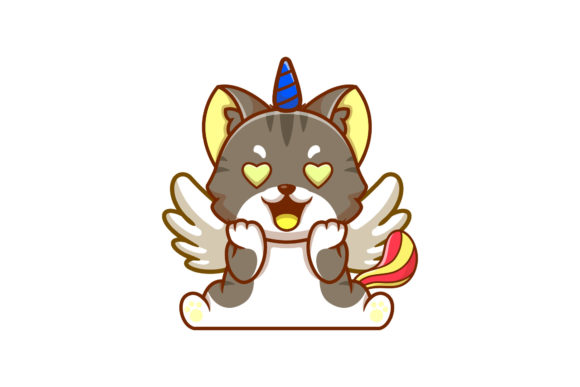
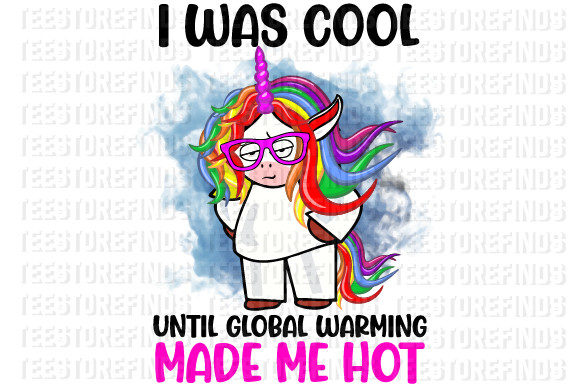
The first impression of this design is immediate charm. The concept plays on the popular "I was cool until..." meme format, paired with a whimsical unicorn reacting to global warming. It is topical, funny, and visually engaging. For embroidery designers and Etsy sellers, this kind of Illustrations-based asset offers a unique opportunity to bridge the gap between digital humor and handmade quality. The visual personality is bold yet approachable, making it suitable for a wide demographic ranging from teenagers to adults who appreciate eco-conscious humor.
From Screen to Stitch: Real-World Application
To truly understand the value of I Was Cool Until Funny Unicorn, PNG, I imagined placing it on a custom embroidered tote bag. Tote bags are a staple for small shop products, and they provide a large, flat canvas that showcases Graphics effectively. In this scenario, the unicorn’s expression and the accompanying text need to remain legible after stitching. Because the source file is a high-resolution PNG, it serves as an excellent reference for digitizing or as a direct print-and-stitch guide if you are using hybrid techniques.
However, moving this design onto a sweatshirt requires more consideration. Sweatshirt embroidery demands careful attention to stitch density. If the unicorn features dense fill stitch areas, the fabric may pucker without proper stabilizer. I recommend testing the design on scrap fabric first, specifically using the same weight of fleece or cotton blend you intend to sell. This step ensures that the thread colors pop against the fabric texture and that the finished product maintains its shape after washing.
Navigating Fabric and Hoop Constraints
One of the critical aspects of using any digital embroidery file is understanding its limitations on different materials. While I Was Cool Until Funny Unicorn, PNG is versatile, it performs differently on various surfaces. On dark fabric, you must ensure high contrast in your thread colors. A light-colored unicorn on a navy blue hoodie will stand out beautifully, but subtle details might get lost if the thread choice is too muted.
Curved surfaces, such as caps or hats, present another challenge. The design’s layout must be checked to ensure it does not distort when stitched on a curved hoop. If the text is long or the unicorn’s horns are intricate, you might need to adjust the stitch direction or use a satin stitch for borders to maintain clarity. For baby embroidery, such as onesies or bibs, softness is key. Avoid dense stitch areas that could irritate sensitive skin. Instead, consider simplifying the design or using applique design techniques where fabric patches replace heavy stitching.
Commercial Viability and Brand Consistency
For commercial embroidery projects, consistency is vital. When you sell a personalized gift or a boutique product, customers expect professionalism. Using I Was Cool Until Funny Unicorn, PNG can enhance brand recognition if it aligns with your shop’s aesthetic. Whether you are creating holiday embroidery for Christmas gifts or everyday items like aprons and kitchen towels, the design adds a layer of relatability.
Etsy sellers and creative entrepreneurs should note that humor sells. This design fits perfectly into the niche of eco-aware, fun-loving consumers. It works well for printable mockups to showcase your listings before you even stitch a single thread. By displaying high-quality images of the design on various products, you can gauge buyer engagement and refine your marketing strategy. Remember, the perceived value of a handmade product increases when the design is crisp, well-placed, and relevant to current trends.
Practical Notes for Designers and Makers
Before integrating this asset into your workflow, there are several practical steps to take. Since the product description mentions receiving a PNG and PDF, with SVG being similar, it is crucial to verify the licensing terms. Confirm whether the file allows for commercial use if you plan to sell finished items. Many digital embroidery files come with restrictions, so always read the fine print.
- Test on Scrap Fabric: Always run a test stitch to check for puckering or thread breaks.
- Check Thread Contrast: Ensure the unicorn and text are visible against your chosen fabric background.
- Review Stitch Density: Adjust density settings if you are digitizing from the PNG reference to prevent fabric distortion.
- Confirm Hoop Size: Make sure the design fits within your machine’s maximum hoop size, especially for larger garments.
- Inspect Small Details: Zoom in on the PNG to identify tiny elements that may not stitch well and simplify them if necessary.
- Use Proper Stabilizer: Choose cut-away stabilizer for stretchy fabrics like t-shirts and tear-away for stable woven fabrics.
Additionally, consider how the design looks in black and white mockups. This helps you understand the value range and ensures that the silhouette of the unicorn is distinct. If the design relies heavily on color gradients, you may need to convert those into distinct thread color changes during the digitizing process.
Final Thoughts on Design Utility
In the world of craft business and handmade products, I Was Cool Until Funny Unicorn, PNG stands out as a flexible and engaging asset. It is not just a graphic; it is a conversation starter. Whether used for a custom apparel line, a series of embroidered patches, or decorative accents on home goods, it brings a modern touch to traditional embroidery.
For hobbyists and makers, it offers a fun project that challenges technical skills while delivering a rewarding result. For professional designers, it provides a ready-made concept that can be adapted to various client needs. The key is to respect the material constraints and prioritize stitching clarity. By doing so, you transform a simple digital file into a high-quality finished product that customers will love and trust.
Ultimately, the success of this design lies in its execution. Take the time to prepare, test, and refine. The effort you put into handling the file and stitching it correctly will reflect in the final product, boosting your reputation as a skilled artisan. Whether you are decorating a pillow cover for a holiday gift or branding a small shop merchandise line, this unicorn design has the potential to be a standout piece in your portfolio.