Reviewing the Unicorn Funny Cat Vector for Embroidery
As a designer who spends half my life staring at stitch simulations and the other half troubleshooting thread breaks, I have learned that not every cute graphic translates well to fabric. We often get swept up in the visual appeal of a digital file, forgetting that embroidery is a tactile medium with physical limitations. Recently, I took a close look at the Unicorn Funny Cat Vector, a piece categorized under Illustrations and Graphics, to determine if it holds up in real-world production. This isn’t just about whether the image is adorable—though it certainly is—but whether it functions as a viable machine embroidery design source for commercial and personal projects.
First Impressions: Mood and Visual Personality
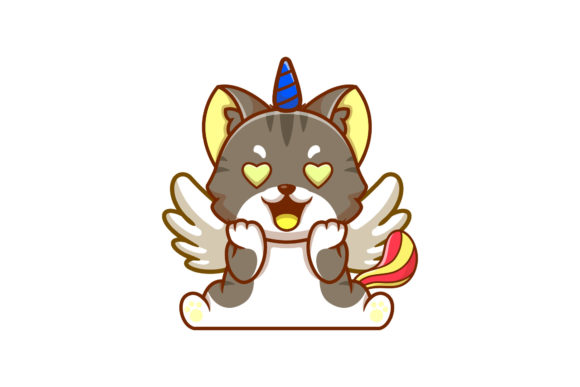
The first thing that strikes you about the Unicorn Funny Cat Vector is its playful contradiction. It merges the whimsical, magical aesthetic of a unicorn with the chaotic, relatable energy of a cat. For an embroidery project, this duality is gold. It creates an immediate emotional connection with the viewer. The lines are clean, suggesting that the original artist understood the importance of vector clarity. When I opened the files, specifically looking at the SVG and EPS formats provided, the paths were smooth without unnecessary anchor points. This is crucial because messy vectors lead to messy digitizing.
The mood is lighthearted and humorous, making it an ideal candidate for products that rely on personality. It doesn’t take itself too seriously, which means it fits perfectly into the current market trend of "quirky comfort." Whether you are designing for a nursery or a college dorm, the visual personality of this asset suggests fun, relaxation, and a touch of magic. However, as a reviewer, I must look past the surface charm to see how these shapes will behave under the needle.
Real-World Application: From Screen to Stitch
To truly evaluate the Unicorn Funny Cat Vector, I imagined it applied to several common items in my craft business pipeline. The most obvious candidate is a tote bag design. Canvas tote bags are sturdy, providing a stable surface for stitching. The bold outlines of the cat’s features would pop against natural cotton, especially if using high-contrast thread colors like pastel pinks and blues against the neutral background. This makes for a strong handmade product that appeals to book lovers and students alike.
Another strong use case is sweatshirt embroidery. Here, the design’s simplicity works in its favor. Complex details often get lost in the pile of fleece or French terry fabric. The Unicorn Funny Cat Vector has distinct shapes that can be filled with satin stitches or simple fill stitches without becoming a dense, stiff patch on the chest. For a personalized gift, adding a name beneath the cat in a complementary font could elevate the perceived value, turning a standard graphic into a bespoke item.
I also considered its potential for baby embroidery. Soft onesies or burp cloths require designs that are not only cute but also durable through frequent washing. The whimsical nature of a unicorn-cat hybrid appeals to parents looking for something unique beyond standard teddy bears. However, this brings us to the technical constraints that every Etsy seller must consider.
Technical Considerations and Fabric Constraints
While the Unicorn Funny Cat Vector is visually appealing, its success depends entirely on how it is digitized and stitched. Since the product description lists AI, EPS, SVG, and DXF files, it is important to note that these are vector graphics, not pre-digitized embroidery files. This distinction is vital. You cannot simply load an SVG into your embroidery machine. You must use digitizing software to convert these vectors into stitch data.
When converting this illustration, pay close attention to stitch density. The horn of the unicorn and the ears of the cat are likely narrow elements. If you attempt to cover these with a wide satin stitch without proper underlay, the threads may gap or snag. I recommend using a tighter satin stitch or even a running stitch outline for finer details to maintain clarity. Additionally, consider the hoop size. If you are placing this on a cap, the curved surface requires careful placement. The design should be centered and scaled appropriately so it doesn’t distort when the cap is worn.
Fabric texture plays a significant role here. On textured fabrics like toweling or heavy denim, small details may disappear. For a tea towel or kitchen apron, I would suggest simplifying the internal details of the design, focusing on the outer silhouette and major facial features. This ensures the finished product remains recognizable even from a distance. Always test the design on scrap fabric first. Check how the thread interacts with the material. Does it pucker? Do you need a cut-away stabilizer for stretchy fabrics, or will a tear-away suffice for woven cottons?
Commercial Viability and Brand Consistency
For small shop product lines, consistency is key. The Unicorn Funny Cat Vector fits well within a broader collection of whimsical animal illustrations. If your brand focuses on humor and fantasy, this asset strengthens your brand identity. It is versatile enough to be used in commercial embroidery projects, from boutique merchandise to promotional items. However, always confirm licensing terms before selling. While the file formats provided (AI, EPS, SVG, DXF) are standard for commercial design assets, ensuring you have the right to sell finished physical goods is a necessary step for any professional.
Visual appeal drives customer trust. A clean, well-stitched design signals professionalism. If the Unicorn Funny Cat Vector is digitized poorly, with jumped stitches or loose threads, it undermines the quality of the entire garment. Conversely, a crisp execution enhances the giftability of the item. Customers are more likely to share photos of their purchase on social media if the embroidery looks sharp and vibrant, leading to organic marketing for your business.
Practical Designer Notes for Best Results
Before you commit to production, here are my practical recommendations for working with this specific vector set:
- Test on Scrap Fabric: Never stitch directly on your final garment. Use similar fabric scraps to test tension and density.
- Check Thread Contrast: Ensure your thread colors stand out against the fabric. Pastel threads on white fabric may lack definition; consider using darker outlines.
- Review Stitch Density: Avoid overly dense fills in small areas to prevent fabric puckering and needle breakage.
- Confirm Hoop Size: Ensure the scaled design fits comfortably within your hoop, leaving enough margin for stabilization.
- Inspect Small Details: Simplify tiny elements that may not stitch out cleanly, especially on textured materials.
- Mockup in Black and White: This helps you see the structural integrity of the design without the distraction of color.
- Use Proper Stabilizer: Match your stabilizer to your fabric type. Cut-away for knits, tear-away for wovens.
- Verify Licensing: Double-check the usage rights for commercial sales of finished items.
In conclusion, the Unicorn Funny Cat Vector is a strong contender for creative entrepreneurs looking to add humor and whimsy to their lineup. It bridges the gap between trendy digital aesthetics and tangible handmade goods. By respecting the technical requirements of embroidery and understanding the nuances of fabric interaction, you can transform this digital asset into a best-selling embroidered patch, apparel feature, or home decor item. It is a reminder that great design is not just about what you see on the screen, but how it feels in the hand.