Reviewing the Funny Bunny Vintage T-shirt Design
As a designer who has spent countless hours digitizing patterns and troubleshooting hoop crashes, I approach every new machine embroidery design with a mix of curiosity and skepticism. We have all been there: staring at a beautiful digital preview, only to watch it turn into a tangled mess of thread on the actual garment. Recently, I took a close look at the Funny Bunny Vintage T-shirt graphic to evaluate its potential beyond the screen. While this asset is marketed primarily as a ready-to-print file for sublimation or direct-to-garment printing, its visual structure offers intriguing possibilities for those of us working in the tactile world of needle and thread.
First Impressions and Visual Personality
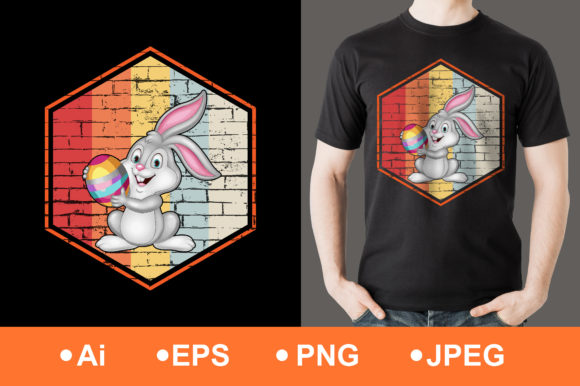
The immediate mood of the Funny Bunny Vintage T-shirt design is nostalgic and playful. It captures that specific mid-century aesthetic where illustrations were bold, slightly imperfect, and full of character. For an embroidery project, this is both a blessing and a challenge. The vintage style often relies on distressed textures and faded color palettes, which do not translate directly to stitch types without careful adaptation. However, the core shapes are strong. The bunny motif is recognizable and charming, avoiding the overly complex detailing that often plagues modern digital art when converted to thread.
When I visualize this design on a physical product, I do not immediately think of a standard cotton tee. Instead, I see it on a heavy-weight canvas tote bag or a structured sweatshirt. The whimsical nature of the bunny pairs beautifully with the rugged texture of natural fabrics. It feels like a design that belongs in a boutique shop selling handmade goods rather than a mass-produced retail rack. This distinction is crucial for Etsy sellers and small business owners who rely on perceived value and uniqueness to drive sales.
Real-World Application Scenarios
Let us consider a practical scenario. Imagine you are preparing a custom order for a client who wants a personalized gift for a newborn’s nursery. You could adapt the central bunny element from the Funny Bunny Vintage T-shirt graphic and apply it to a soft muslin blanket or a baby onesie. In this context, the design serves as a focal point for baby embroidery. The vintage vibe appeals to parents looking for something timeless rather than trendy. Alternatively, this motif would work exceptionally well as an embroidered patch. By stitching the design onto a twill background and cutting it out, you create a versatile accessory that can be ironed onto denim jackets, caps, or backpacks.
For those running a craft business, versatility is key. This design could anchor a spring collection featuring holiday embroidery themes. Think of pastel thread colors on a white apron or a kitchen towel. The playful subject matter makes it an excellent candidate for seasonal merchandise that sells quickly during Easter or spring festivals. However, because the source file is provided as SVG, EPS, PNG, and PDF formats rather than native embroidery files like PES or DST, you must digitize it yourself or hire a professional digitizer. This step is non-negotiable for achieving high-quality results.
Technical Considerations for Stitching
Translating a print-ready graphic into a stitch file requires a deep understanding of stitch density and fabric behavior. The Funny Bunny Vintage T-shirt design likely contains areas of solid color that would traditionally be filled with satin stitch or fill stitch. On a curved surface like a cap, a large fill area can cause puckering if the stabilizer is not chosen correctly. I always recommend testing the design on scrap fabric first. This allows you to check whether the stitch count is too high for the material or if the thread tension needs adjustment.
Thread color contrast is another critical factor. The vintage aesthetic often uses muted tones. If you are stitching on dark fabric, you must ensure that the thread colors pop enough to maintain visibility. Conversely, on light fabric, subtle shades can create a sophisticated, understated look. I advise creating black and white mockups before committing to thread selection. This helps you identify if the design relies too heavily on color gradients, which are difficult to replicate with thread. Instead, focus on shape clarity and line definition.
Navigating Fabric and Hoop Constraints
Not every garment is suitable for this type of design. Thin, stretchy fabrics like rayon or lightweight jersey require extra care. The weight of the embroidery can distort the fabric, leading to a finished product that looks warped after washing. For these materials, use a cut-away stabilizer to provide long-term support. Additionally, pay attention to hoop size. If the design is large, you may need to split it into sections or choose a larger hoop to avoid re-hooping errors. Small details, such as tiny lettering or intricate facial features on the bunny, may get lost if the stitch density is too low or if the needle size is too large.
Commercial embroidery projects demand consistency. If you plan to sell multiple units, ensure that your digitized file produces the same result every time. Check the back of the stitching for excessive jumps or loose threads. A clean finish on the inside reflects professionalism and builds customer trust. For handmade products, this attention to detail is what separates a hobbyist from a serious brand.
Enhancing Brand Value and Customer Engagement
Using a distinctive design like the Funny Bunny Vintage T-shirt can significantly boost your brand identity. It signals to customers that you curate unique assets rather than using generic clipart. This perception of exclusivity increases the perceived value of your personalized gift items. When buyers see a well-executed embroidered piece, they are more likely to engage with your social media content and recommend your shop to others. It becomes a conversation starter, enhancing buyer engagement and fostering community around your craft.
However, remember that the original file is a graphic asset. You are responsible for ensuring that your final embroidered product complies with any licensing terms associated with the design. Always confirm whether the license allows for commercial use of derived works. If you are unsure, reach out to the creator. Protecting your legal standing is just as important as protecting your stitch quality.
Final Verdict for Makers and Designers
The Funny Bunny Vintage T-shirt design holds promise for creative entrepreneurs willing to put in the technical work. It is not a plug-and-play solution for embroidery machines, but it is a strong foundation for custom apparel and decorative home goods. By carefully considering stitch types, stabilizer choices, and fabric compatibility, you can transform this digital graphic into a tangible, high-quality embroidered patch or garment decoration. Whether you are an Etsy seller looking to expand your spring inventory or a hobbyist making gifts for friends, this design offers a charming aesthetic that resonates with modern tastes for vintage-inspired charm. Just remember to test, adjust, and refine before presenting your final product to the world.