Reviewing Bee Kind Funny Autism Design for Embroidery
As a designer who has spent years digitizing and stitching everything from delicate baby onesies to heavy-duty workwear, I approach every new machine embroidery design with a mix of curiosity and caution. We have all been there: you see a cute graphic online, buy the digital embroidery file, and then spend hours troubleshooting why it puckers the fabric or why the text is illegible after washing. That is why I took a close look at the Bee Kind Funny Autism Design before committing it to a client project or adding it to my own shop inventory.
This isn’t just about whether the image looks good on a screen. It is about how it translates into thread, how it behaves on different fabric textures, and whether it holds up as a viable product for an Etsy seller or a small boutique owner. The description labels this under Print Templates and Graphics, noting it is a print-ready design suitable for t-shirts, mugs, and vinyl. However, for us in the embroidery world, the transition from a flat graphic to a stitched embroidery project requires a specific eye for detail.
First Impressions and Visual Personality
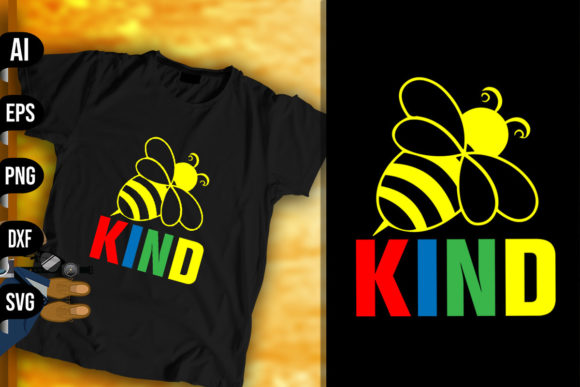
The first thing that strikes me about the Bee Kind Funny Autism Design is its approachable warmth. The theme blends a playful bee motif with a message of kindness and autism awareness, creating a mood that is both advocacy-driven and gently humorous. In the context of embroidery, this visual personality is crucial. It feels soft rather than aggressive, which makes it ideal for items meant to comfort or connect, such as a personalized gift for a family member or a supportive gesture for a friend.
From a layout perspective, the design appears balanced. For embroidery, balance means that the weight of the elements is distributed evenly, reducing the risk of hoop burn or fabric distortion. If this design relies heavily on bold shapes for the bee and clear, readable typography for the message, it has the potential to stitch out cleanly. However, because it originates as a graphic intended for various uses like sign making or scrap-booking, we must consider how those solid blocks of color translate into fill stitches and satin stitches.
Real-World Application: The Tote Bag Test
To truly evaluate this design, I imagined applying it to a real-world scenario: a custom canvas tote bag design for a local community support group. Canvas is a sturdy fabric, but it can be unforgiving if the stitch density is too high. If the Bee Kind Funny Autism Design uses dense fills for the bee’s body, it could create a stiff patch that pulls at the seams of the bag. Conversely, if the design utilizes smart underlay and appropriate stitch density, it will sit flat and feel premium to the touch.
I also considered its use on a sweatshirt embroidery project. Fleece and cotton blends are popular for awareness apparel because they are cozy and inclusive. Here, the contrast of the thread colors against the fabric becomes paramount. A light-colored thread on a heather gray hoodie might get lost if the design lacks sufficient definition. This is where checking the thread colors in your software before hitting "start" is non-negotiable. You want the bee to pop, not blend into the fuzz of the fleece.
Navigating Technical Challenges
While the concept is strong, there are areas where this design requires careful handling. Since it is marketed broadly for purposes like phone cases and vinyl decals, the original graphic likely contains fine details that do not translate well to needle and thread. Tiny lettering is the enemy of embroidery. If the word "Kind" or any part of the autism awareness message is too small, it will turn into a blob of thread after a few washes. I always advise zooming in to 400% in your digitizing software to ensure that no text element is narrower than the width of a standard satin column.
Another consideration is the hoop size. If you are planning to stitch this on a cap or a curved surface, you need to ensure the design fits within the usable area of a cap frame without distorting. Curved surfaces exaggerate any pulling issues. Similarly, if you are using this for baby embroidery on soft knits, you must use a proper stabilizer. A cut-away stabilizer is usually best for garments that will be washed frequently, ensuring the design retains its shape and does not pucker the delicate fabric.
Commercial Viability and Brand Consistency
For craft business owners and small shop product creators, the appeal of the Bee Kind Funny Autism Design lies in its niche relevance. Autism awareness is a significant market, and products that combine advocacy with a lighthearted, positive message tend to perform well. However, professionalism is key. A sloppy stitch-out damages brand trust. Before listing this as a finished product or using it in commercial embroidery, you must test it.
Create a printable mockup to show customers how it might look, but always back it up with photos of actual stitched samples. Show the design on both light and dark fabrics. This transparency builds buyer engagement and reduces return rates. If you are selling the design itself as part of a bundle of design assets, ensure you are clear about what formats are included. Since the product description mentions it is a print-ready design for various crafts, verify if the embroidery-specific files (such as PES, DST, or JEF) are actually provided or if you are expected to digitize the graphic yourself.
Practical Designer Notes for Success
Before you commit to a large batch of custom apparel or embroidered patches, follow these practical steps:
- Test on Scrap Fabric: Always stitch a sample on the same material you intend to use for the final product. This reveals issues with tension and density.
- Check Thread Contrast: Ensure your chosen thread colors provide enough contrast against the fabric, especially for the text elements.
- Inspect Small Details: Look for tiny isolated stitches or complex corners that might cause thread breaks. Simplify if necessary.
- Verify Licensing: The description mentions broad usage, but confirm if the license allows for selling finished physical items. This is critical for Etsy sellers and commercial users.
- Consider the Stabilizer: Match your stabilizer to the fabric. Use tear-away for stable woven fabrics and cut-away for stretchy knits.
In conclusion, the Bee Kind Funny Autism Design offers a charming and meaningful aesthetic that fits well within the current landscape of awareness-themed apparel and gifts. Its success in embroidery, however, depends entirely on technical execution. By treating it not just as a graphic, but as a structured applique design or stitched artwork that requires thoughtful preparation, you can create high-quality, durable items that resonate with customers. Whether for a holiday embroidery gift or a year-round small business merchandise staple, this design has potential—if you respect the mechanics of the machine.