Reviewing the Funcle Fun Uncle Embroidery Design
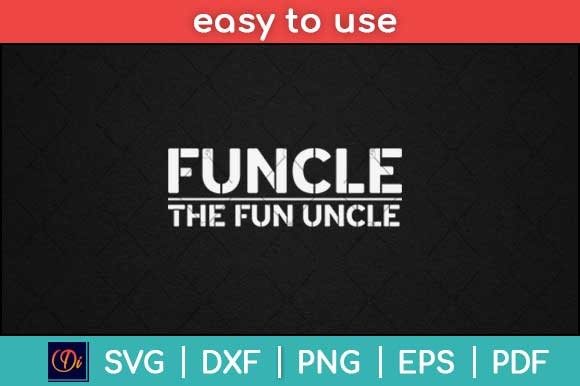
As a designer who spends more time staring at stitch maps than I do sleeping, I have learned that not every cute graphic translates well to thread. We see thousands of digital files flood the market, promising easy wins for our craft businesses. But when I pulled up Funcle the Fun Uncle Family Joke Funny, I paused. It wasn’t just another generic clipart; it was a statement piece with personality. The term "Funcle" itself carries a specific cultural weight—it implies a relaxed, cool, and slightly mischievous family dynamic. For an embroidery professional, this presents both an opportunity and a challenge. How do we take a concept rooted in modern humor and translate it into a tactile, high-quality machine embroidery design that holds up on real fabric?
First Impressions: Mood and Visual Personality
The immediate vibe of this design is playful and approachable. It does not take itself too seriously, which is exactly what you want for a gift item. When evaluating any embroidery file, I look at the balance between text and graphical elements. In this case, the layout suggests a strong typographic focus, likely accompanied by illustrative accents that reinforce the "fun" aspect. For a Print Templates category item, the clarity of the lines is paramount. If the original vector or raster source is muddy, the digitized version will suffer. However, assuming the source Graphics are clean, this design has the potential to pop.
The mood is distinctly casual. This is not a formal monogram for a wedding suit. It is a design meant for leisure wear, weekend outings, and family gatherings. As a reviewer, I appreciate designs that know their audience. This piece speaks directly to the uncle who buys the loud socks, tells the dad jokes, and lets the kids stay up late. Capturing that spirit in thread requires a digitizing style that feels organic rather than rigid.
Real-World Application: The Sweatshirt Test
To truly evaluate Funcle the Fun Uncle Family Joke Funny, I imagined stitching it onto a mid-weight cotton blend sweatshirt. This is a classic use case for custom apparel. The texture of fleece or French terry cloth can be tricky. If the design relies heavily on fine running stitch details, they might get lost in the nap of the fabric. Conversely, if it uses dense fill stitch areas, the garment could pucker without proper stabilization.
In my mental mockup, I placed the design on the left chest. This is a standard position for sweatshirt embroidery that feels professional yet understated. The visual appeal here depends on contrast. A light thread color on a heather grey shirt would look sophisticated, while bright primary colors on a navy background would lean into the comedic, cartoonish nature of the "funcle" persona. For Etsy sellers and small shop product creators, this versatility is key. You can market the same design as a subtle nod to family roles or as a bold, humorous statement piece depending on your thread palette.
Beyond Apparel: Totes and Home Decor
While apparel is the obvious choice, do not overlook the potential for a tote bag design. Canvas bags are sturdy and handle higher stitch density well. Imagine this design centered on a natural canvas tote, perhaps paired with a simple graphic element. It becomes an instant personalized gift for Father’s Day or a birthday. The durability of embroidery makes it superior to vinyl for items that will be washed frequently, adding value to your handmade product.
I also considered its use on kitchen towels or aprons. An embroidered apron makes a fantastic holiday gift or a standout item at a craft fair. The humor of the design fits perfectly in a domestic setting where the "fun uncle" might be manning the grill. However, on thinner fabrics like tea towels, you must be cautious. Heavy stitching can distort the weave. Using a cut-away stabilizer is non-negotiable here to maintain the integrity of the finished product.
Technical Considerations for Embroiderers
Let us talk about the nuts and bolts. Since this product is described as a cutting file compatible with Cricut and Silhouette, it is crucial to distinguish between print-and-cut applications and true machine embroidery. If you are adapting this digital embroidery file concept from a print template, you must ensure the digitization accounts for thread pull. Print designs can have sharp, impossible corners that threads cannot replicate. A skilled digitizer will round off those corners and adjust the underlay to prevent gaps.
When working with this design, pay close attention to thread colors. Humor often relies on readability. If the text is intricate, avoid low-contrast combinations like yellow on white. Test your design on scrap fabric first. Check how the applique design elements, if any, layer over the base fabric. If the design includes small text, verify that your machine can handle the detail at your intended size. Tiny lettering can become a blob of thread if the hoop size is too small or the needle too large.
For those creating an embroidered patch, this design could work beautifully. Patches allow for higher density and more experimental textures since they are not constrained by the drape of a garment. You could use a satin stitch border to frame the design, giving it a polished, retail-ready look. This is a great strategy for commercial embroidery projects where perceived value matters.
Navigating Fabric and Placement Challenges
Not every surface is friendly to this type of design. Avoid placing complex layouts on highly stretchy fabrics like spandex blends unless you are an experienced handler of difficult textiles. The distortion can ruin the joke by warping the text. Similarly, dark fabrics require careful planning. If the design has light elements, you may need a white underlay or even a fabric applique base to ensure the colors remain vibrant. This is especially important for baby embroidery items, where softness and comfort are priorities, limiting the amount of heavy stitching you can use.
Curved surfaces, such as caps, present another hurdle. The center front of a cap is a small, curved canvas. If Funcle the Fun Uncle Family Joke Funny is wide, it may wrap around the sides awkwardly. In such cases, consider resizing or simplifying the design for headwear. Always check the aspect ratio. A design that looks balanced on a flat screen might look stretched or compressed on a curved brim.
Building Trust and Brand Consistency
For craft business owners, consistency is everything. Using a well-digitized design builds customer trust. When a buyer receives a custom apparel item that is neatly stitched, with no loose threads or puckering, they are more likely to return. This design, with its clear theme, helps define your brand voice. It says you are fun, family-oriented, and attentive to detail. Use it in your printable mockup previews to show customers exactly how the final item will look. High-quality visuals drive engagement on platforms like Etsy.
Remember to verify licensing terms. Just because a file is available for purchase does not automatically grant commercial rights for all uses. Confirm whether you can sell finished items featuring this design. Protecting your design assets and respecting intellectual property is part of running a professional small shop product line.
Final Verdict
Funcle the Fun Uncle Family Joke Funny is a solid contender for your next embroidery project. It taps into a popular niche with warmth and humor. Whether you are creating a holiday embroidery gift for a brother-in-law or stocking your online store with witty tote bag design options, this piece offers flexibility. Just respect the technical limits of your machine and fabric. Test, stabilize, and stitch with confidence. When done right, this design does not just decorate a garment; it sparks conversation and brings a smile. And in the world of handmade goods, that is the ultimate metric of success.