Reviewing the Proud to Be Americat Design for Embroidery
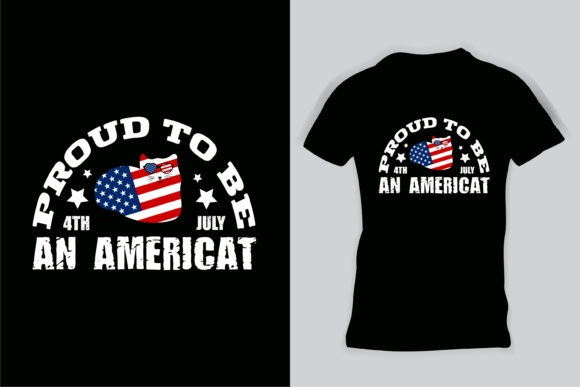
As a designer who has spent countless hours digitizing and stitching out graphics, I approach every new machine embroidery design with a mix of curiosity and caution. We have all been there: you see a cute concept online, download the file, and hope it translates well from screen to fabric. Recently, I evaluated the Proud to Be Americat - Funny T-shirt graphic to determine its viability for real-world embroidery projects. While the product listing categorizes it under Print Templates and Graphics, the visual structure offers interesting potential for stitchers willing to adapt the artwork.
The first impression of this design is undeniably cheerful. It captures that specific blend of patriotic pride and feline affection that resonates deeply with cat lovers during the Fourth of July season. The layout typically features bold typography paired with a stylized cat motif, often incorporating stars or stripes. For an embroidery designer, the immediate question is not just about cuteness, but about clarity. How will those fine lines hold up under a needle? Does the balance between text and image allow for clean stitching without excessive thread breaks or puckering?
Visual Appeal and Stitching Potential
When translating a print-ready graphic into an embroidery file, we must consider how solid blocks of color translate to fill stitch patterns and how outlines become satin stitch borders. The Proud to Be Americat concept relies heavily on contrast. In a printed t-shirt context, this is achieved through ink opacity. In embroidery, we achieve this through thread choice and stitch direction. The bold nature of the patriotic theme suggests that primary colors—red, white, and blue—will be dominant. This is advantageous because high-contrast thread colors tend to read well even from a distance, making the design suitable for items like tote bags or aprons where visibility matters.
However, the "funny" aspect often implies whimsical details in the cat’s expression or posture. These subtle nuances are where many designs fail in translation. If the original graphic includes tiny whiskers or small star details, they may need simplification for smaller hoop sizes. A design that looks crisp on a digital mockup can become a tangled mess of thread if the stitch density is too high for the chosen fabric. For this specific theme, I recommend focusing on the core shapes: the cat silhouette and the main lettering. Decorative elements should be secondary to ensure the finished product remains legible and professional.
Real-World Application Scenarios
Let us imagine a practical scenario. You run a small craft business or an Etsy shop specializing in personalized gifts. A customer requests a custom item for their grandmother who loves cats and patriotism. Using the Proud to Be Americat concept as inspiration, you could create a stunning embroidered patch for a denim jacket or a canvas tote. Patches are forgiving; they allow you to use a sturdy stabilizer and dense stitching without worrying about garment distortion. This makes them an ideal testing ground for complex graphics before committing to a final garment.
Another excellent application is sweatshirt embroidery. The thicker fabric of a hoodie or crewneck provides a stable foundation for larger designs. The playful nature of the cat motif appeals to a wide demographic, from teachers to nurses who want to express their personality during holiday shifts. For baby embroidery, however, caution is advised. Soft baby fabrics require lighter stitch counts and softer threads to prevent irritation. If adapting this design for infant wear, simplify the details significantly and avoid dense fill areas near the neckline.
For holiday embroidery projects leading up to the Fourth of July, this design fits perfectly into kitchen textiles. Imagine a set of tea towels or aprons featuring the cat motif. These items are frequently washed, so durability is key. Ensuring that the thread colors are colorfast and that the stitching is secure will enhance customer trust and reduce returns. A well-executed handmade product like this can become a staple in your small shop product lineup, offering both humor and seasonal relevance.
Navigating Technical Challenges
While the concept is strong, execution requires technical diligence. One major consideration is the background fabric. Dark fabrics can make red and blue threads pop, but white details may require careful handling to avoid showing the backing material. Conversely, on light fabrics, ensure your underlay stitches are sufficient to prevent the fabric from peeking through the fill areas. Textured fabrics, such as linen or waffle knit, can distort fine details. For these materials, a simpler version of the design with bolder lines is preferable.
Curved surfaces present another challenge. If you plan to embroider this on a cap, the limited space and curvature require precise digitizing. The text must be arched correctly, and the cat image scaled down to fit within the standard cap hoop without losing definition. Always test the design on scrap fabric first. This step is non-negotiable for professional results. Check how the running stitch outlines connect to the fill areas and ensure there are no jump stitches that could snag during washing.
Additionally, consider the licensing implications. Since the source material is listed as a graphic or print template, verify whether you have the rights to use it for commercial embroidery. Many digital artists sell files for personal use only. If you intend to sell custom apparel or digital embroidery files derived from this concept, ensure you have the appropriate commercial license or create a sufficiently transformed original design to avoid copyright issues. This protects your brand consistency and professionalism.
Enhancing Product Value and Buyer Engagement
A well-chosen design does more than decorate; it communicates. The Proud to Be Americat theme taps into niche interests, creating an emotional connection with buyers. For Etsy sellers and creative entrepreneurs, this specificity drives engagement. Customers are more likely to purchase a personalized gift that reflects their unique identity than a generic patriotic item. By offering this design on various products—such as pillow covers, blankets, or nursery decor—you expand your market reach while maintaining a cohesive brand aesthetic.
To maximize visual appeal, pay attention to presentation. Use high-quality printable mockup images to show how the embroidery looks on different garments. Compare light and dark fabric backgrounds in your previews to help customers visualize the final result. Highlight the craftsmanship in your descriptions, mentioning the type of stabilizer used or the quality of thread. These details signal professionalism and justify premium pricing.
In conclusion, the Proud to Be Americat concept holds significant promise for embroidery enthusiasts and business owners alike. It bridges the gap between humor and tradition, appealing to a broad audience. However, success lies in the technical execution. By carefully managing stitch density, selecting appropriate fabrics, and respecting licensing terms, you can transform a simple graphic into a cherished finished product. Whether you are creating a one-off gift for family or stocking your boutique with seasonal merchandise, this design invites creativity and precision. Take the time to test, refine, and perfect your approach, and you will find that this playful cat motif can indeed become a standout feature in your embroidery portfolio.